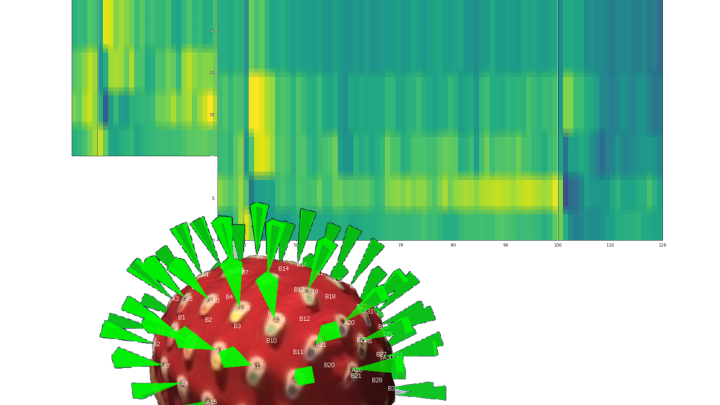
Video file
Objective Measures for Cochlear Implant Outcomes
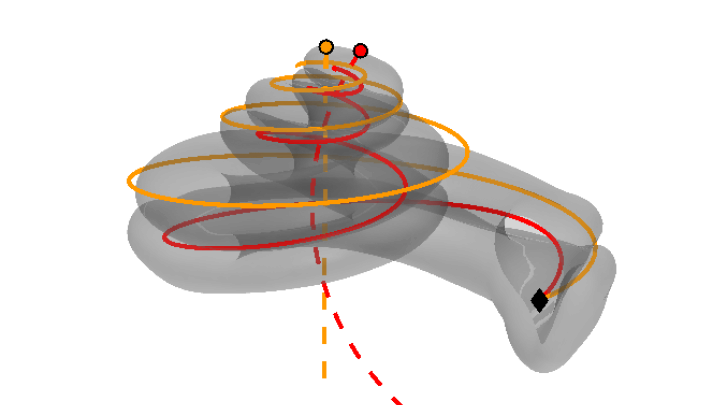
In cochlear implant (CI) surgery, the ability to objectively monitor the health of cochlear structures is of great interest. Our group explores the potential of CI telemetry as a promising area of research. This procedure, which has been routinely conducted in clinics since the beginning of cochlear implantation, enables us to gather insights into the condition of the cochlea. By measuring electrode impedances and neural responses, specifically electrically evoked compound action potentials (ECAPs), we aim to gain a comprehensive understanding of the postoperative state within a matter of minutes. Drawing from our previous work, we have successfully demonstrated the potential of impedance telemetry in estimating CI insertion depth, eliminating the necessity for radiation-based computed-tomography imaging. Moreover, our recent research has shed light on the correlation between clinical impedances and residual hearing. Our research endeavors to explore the potential of electrical impedance and ECAP recordings as reliable and objective biomarkers for monitoring the audiological outcomes of CI patients. Our goal is to contribute to the development of improved evaluation methods that can better guide patient care and enhance their overall quality of life.
Cochlear Morphophysiology
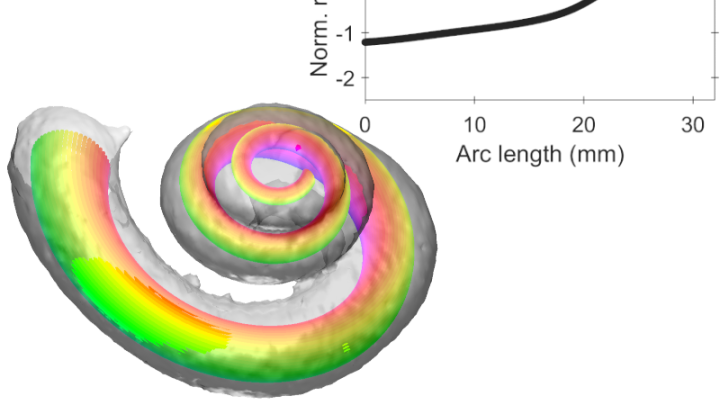
The cochlea, our hearing organ, has a captivating spiral shape. The reason for this shape and whether it offers any physiological advantages for hearing is still a mystery. To solve this puzzle, we need to gain a more profound understanding of the morphological properties of the cochlea. Our strategy is to describe the shape by extracting the motion (velocity vector field) that likely created it. To achieve this, we developed a technique called nonlinear kinematic surface fitting. This project, funded by the Swiss National Science Foundation (SNSF), uses the extracted geometric features to carry out computational fluid dynamics simulations and generate hypotheses to be tested in observational studies. Deeper comprehension of cochlear morphology will also help to enhance surgical planning methods for cochlear implant surgery.
Robotic Hearing and Balance Diagnostics
Sound field audiometry, which involves the use of loudspeakers instead of earphones to present acoustic test stimuli, is an essential part of evaluating the progress of clinical hearing rehabilitation. Assessing hearing thresholds, speech comprehension in both quiet and noisy environments, and sound localization capabilities are key outcome measures that can be linked to the quality of life of patients who have received hearing implants. To make the assessment more realistic yet still reproducible, our team is developing methods to create complex soundscapes and dynamic testing scenarios that are necessary to accurately measure the advantages of modern hearing implant technology.
Tinnitus Diagnostics
Tinnitus is the perception of sound in the absence of an external acoustic stimulus, and can sound like beeping, white noise and ringing. Although the triggering event can be acute inner ear damage, the chronic condition is established through subsequent brain remodeling. These neurological changes result in sustained, abnormal neuronal activity, much of which remains poorly understood. The symptoms of tinnitus are highly variable between patients, and severe forms of tinnitus can substantially impair the quality of life by affecting concentration, sensory perception and sleep. The prevalence of tinnitus is estimated to be 10-15% of the general population and is expected to increase due to demographic developments including aging. The variability of symptoms requires objective and patient-specific tinnitus assessment and classification technology, as well as personalized tinnitus treatment. This would allow clinicians to quantify treatment outcomes of existing interventions and facilitate the development of novel therapies. One such approach to objective tinnitus assessment is the identification of neuronal correlates in electroencephalography (EEG).